
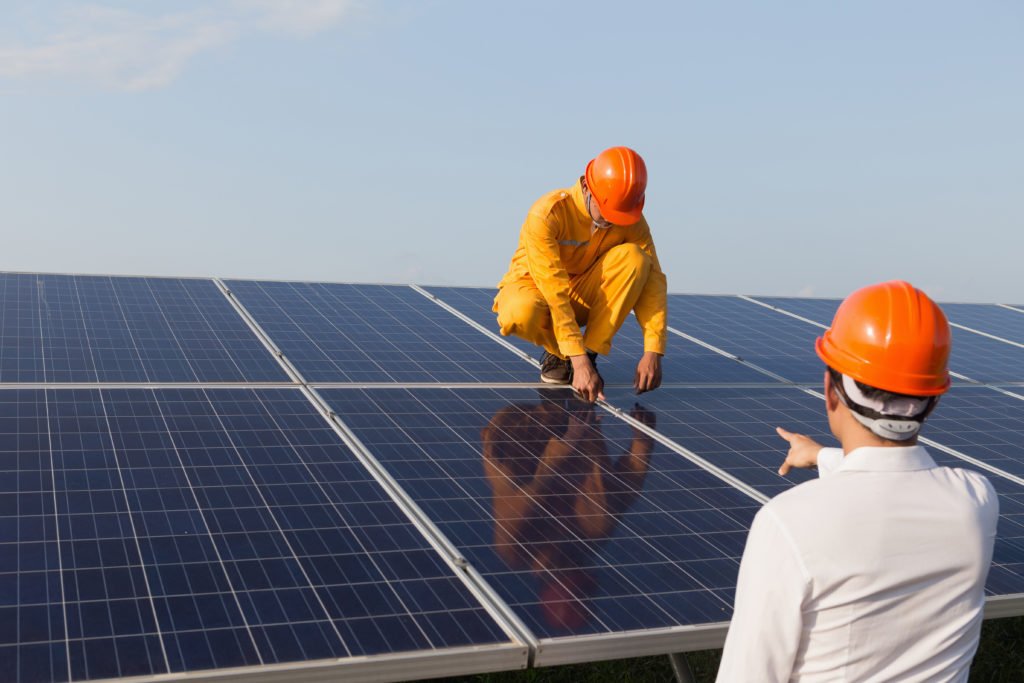
A solar domestic power plant, also known as a residential solar power system, is designed to meet the energy needs of a household by converting sunlight into electricity. These systems can be grid-tied, off-grid, or hybrid, depending on whether they are connected to the utility grid and whether they include energy storage. Here’s a comprehensive guide to understanding and implementing a solar domestic power plant:
Key Considerations:
Energy Needs Assessment: Determine the household's total energy consumption and peak power requirements. Reviewing past electricity bills can help estimate the average monthly and yearly usage.
System Components:
Solar Panels: High-efficiency monocrystalline or polycrystalline panels.
Inverters: String inverters or microinverters to convert DC to AC power.
Mounting Structures: Roof-mounted or ground-mounted systems.
Battery Storage: Optional, for storing excess energy (especially useful for off-grid or hybrid systems).
Monitoring Systems: For tracking performance and ensuring the system is operating efficiently.
Costs: Costs vary based on the size of the system, quality of components, and installation complexity. On average, residential systems cost between $2,500 to $3,500 per kW installed.
Installation: Proper installation is critical for safety, efficiency, and longevity. It’s important to hire experienced and certified installers. Permits and Approvals: Obtain necessary permits and approvals from local authorities and utility companies. This may include building permits, electrical permits, and interconnection agreements for grid-tied systems.
Maintenance: Regular maintenance includes cleaning panels and inspecting the system for optimal performance.
Benefits:
Cost Savings: Significant reductions in electricity bills. Net metering (for grid-tied systems) can provide credits for excess power generated. Environmental Impact: Reduces carbon footprint by generating clean, renewable energy. Energy Independence: Decreases reliance on the grid, especially with battery storage.
Government Incentives: Tax credits, rebates, and other incentives can significantly reduce installation costs.
Return on Investment (ROI): Solar systems typically have a payback period of 5-10 years, after which the electricity generated is virtually free.
Types of Solar Domestic Power Plants: Grid-Tied Systems: Connected to the utility grid. Excess power is fed into the grid, and the household draws power from the grid when needed. Benefits from net metering.
Off-Grid Systems: Completely independent from the grid. Requires a battery bank to store energy for use during non-sunny periods.
Hybrid Systems: Connected to the grid but also have a battery bank. Provides the benefits of both grid-tied and off-grid systems, ensuring power supply during outages.
Steps to Implementation:
Energy Needs Assessment: Conduct a thorough assessment of energy requirements to size the system appropriately.
Site Evaluation: Evaluate the installation site to ensure it receives adequate sunlight and has enough space for solar panels.
System Design: Work with a solar provider to design a system tailored to your energy needs and site characteristics.
Financing Options: Explore various financing options, such as loans, leases, or power purchase agreements (PPAs), to fund the installation.
Permitting and Approvals: Obtain all necessary permits and approvals from local authorities and utility companies.
Installation: Hire certified installers to set up the system, ensuring compliance with all regulations.
Monitoring and Maintenance: Implement a monitoring system to track performance and schedule regular maintenance to ensure longevity and efficiency.
Example System Configuration: For a typical household with an average energy consumption of 900 kWh per month (around 30 kWh per day):
Solar Panels: 6 kW system (approximately 18-20 panels, assuming each panel is around 330-350 W). Inverter: 6 kW string inverter or multiple microinverters.
Battery Storage: 10 kWh battery bank (optional, for hybrid or off-grid systems).
Mounting Structures: Roof-mounted racking system.
Monitoring System: Real-time monitoring system for tracking performance.
Financing Options: Loans: Solar loans allow homeowners to own the system and benefit from tax incentives.
Leases: Leasing options allow homeowners to install solar without upfront costs, paying a fixed monthly lease payment instead.
Power Purchase Agreements (PPAs):
Under a PPA, a third-party developer installs and maintains the system, and the homeowner buys the power generated at a predetermined rate.
Grants and Incentives: Research and apply for available grants, rebates, and tax incentives to reduce upfront costs.
Maintenance Tips: Regular Cleaning: Keep panels free of dust and debris to maintain efficiency.
System Checks: Periodically inspect wiring, connections, and inverters for any signs of wear or damage.
Battery Maintenance: For systems with battery storage, ensure proper maintenance of batteries according to the manufacturer’s guidelines.