
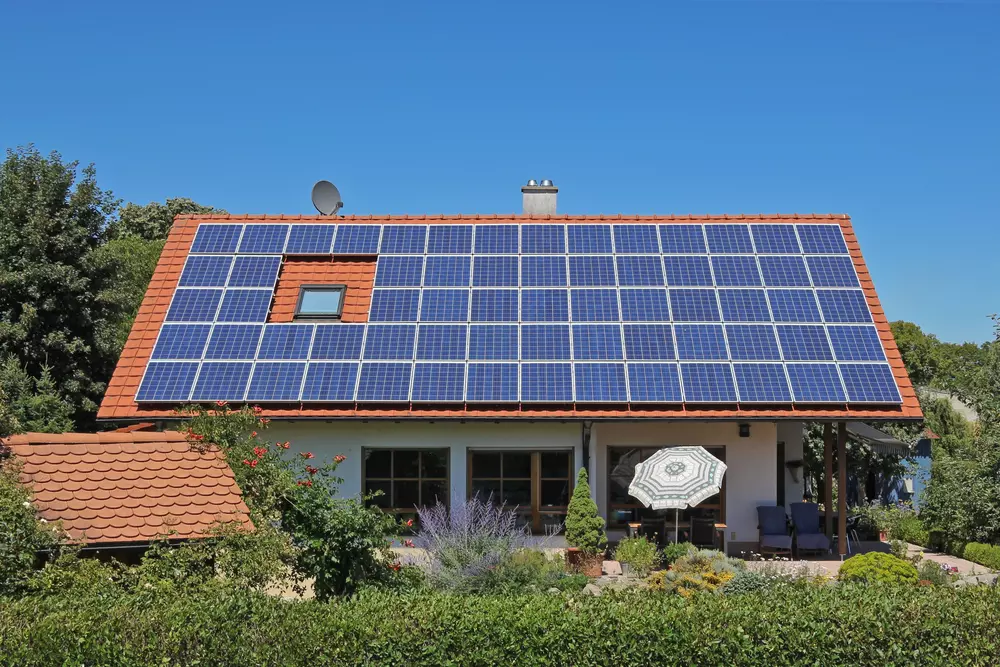
A solar off-grid plant, also known as an off-grid solar power system, is designed to operate independently from the electrical grid. It is ideal for remote locations without grid access, or for those who want to ensure a reliable power supply regardless of grid conditions. Here’s an in-depth look at what’s involved in setting up an off-grid solar power plant:
Key Considerations:
Energy Needs Assessment: Determine the total energy consumption and peak power requirements to size the system appropriately. This includes identifying critical loads that need continuous power.
System Components:
Solar Panels: High-efficiency monocrystalline or polycrystalline panels.
Battery Bank: Deep-cycle batteries (such as lithium-ion or lead-acid) to store energy for use when solar power is not available.
Inverters/Charge Controllers: Convert DC power from the panels and batteries to AC power for use in appliances and manage the charging of batteries.
Backup Generator: Optional, but recommended for extended periods of low solar production.
Mounting Structures: For securing the solar panels in place.
Monitoring Systems: For tracking the system’s performance and battery health.
Costs: Off-grid systems are generally more expensive than grid-tied systems due to the need for batteries and other additional components. Costs can vary widely based on system size, battery type, and other factors. Expect to invest significantly, especially for larger systems.
Installation: Requires professional installation by certified installers to ensure safety and efficiency. Proper installation includes setting up the solar panels, wiring the system, configuring the battery bank, and integrating the inverter/charge controller.
Maintenance: Regular maintenance is crucial, especially for the battery bank, which may require periodic checks and replacements. Solar panels should be kept clean, and the entire system should be inspected regularly for optimal performance.
Benefits:
Energy Independence: Complete independence from the grid ensures a reliable power supply even in remote locations or during grid outages.
Cost Savings: Eliminates electricity bills and reduces reliance on fossil fuels.
Environmental Impact: Generates clean, renewable energy, reducing carbon footprint.
Reliability: Provides a stable power source, especially important in areas with unreliable grid power.
Flexibility: Can be tailored to meet specific energy needs and can be expanded as required.
Steps to Implementation: Energy Needs Assessment: Conduct a thorough assessment of your energy requirements, including both daily and peak usage.
System Design: Work with a solar provider to design a system that meets your energy needs. This includes selecting the right size and type of solar panels, battery bank, and inverters/charge controllers.
Site Evaluation: Evaluate the installation site to ensure it receives adequate sunlight and has enough space for the solar panels and other components. Financing Options: Explore financing options such as loans, grants, or self-financing to fund the installation.
Permitting and Approvals: Obtain necessary permits and approvals from local authorities, which may include building permits and environmental clearances.
Installation: Hire certified installers to set up the system, ensuring compliance with all safety standards and regulations.
Monitoring and Maintenance: Implement a monitoring system to track performance and schedule regular maintenance to ensure the system operates efficiently.
Battery Considerations:
Battery Type:
Lead-Acid: More affordable but require regular maintenance and have a shorter lifespan.
Lithium-Ion: Higher upfront cost but longer lifespan, higher efficiency, and lower maintenance.
Battery Capacity: Sizing the battery bank correctly is crucial to ensure sufficient storage for periods without sunlight. This involves calculating the total energy storage needed based on daily energy consumption and desired autonomy (number of days of storage).
Battery Management System (BMS): Essential for monitoring the state of charge, protecting against overcharging/over-discharging, and ensuring the longevity of the batteries.
Example System Configuration: For a typical off-grid solar power plant with a daily energy consumption of 20 kWh:
Solar Panels: 25 kW capacity (to account for inefficiencies and provide some surplus energy).
Battery Bank: 40 kWh storage capacity (lithium-ion) for two days of autonomy.
Inverter/Charge Controller: 10 kW inverter/charge controller to handle peak loads and manage battery charging.
Backup Generator: 10 kW generator for extended cloudy periods or additional power needs.
Advantages and Challenges:
Advantages: Complete energy independence. Reliable power supply in remote or off-grid locations. Environmental benefits from using renewable energy.
Challenges: Higher initial investment compared to grid-tied systems. Need for regular maintenance, especially for batteries. Sizing and designing the system correctly to meet energy needs and ensure reliability.